My soul magnifies the Lord.
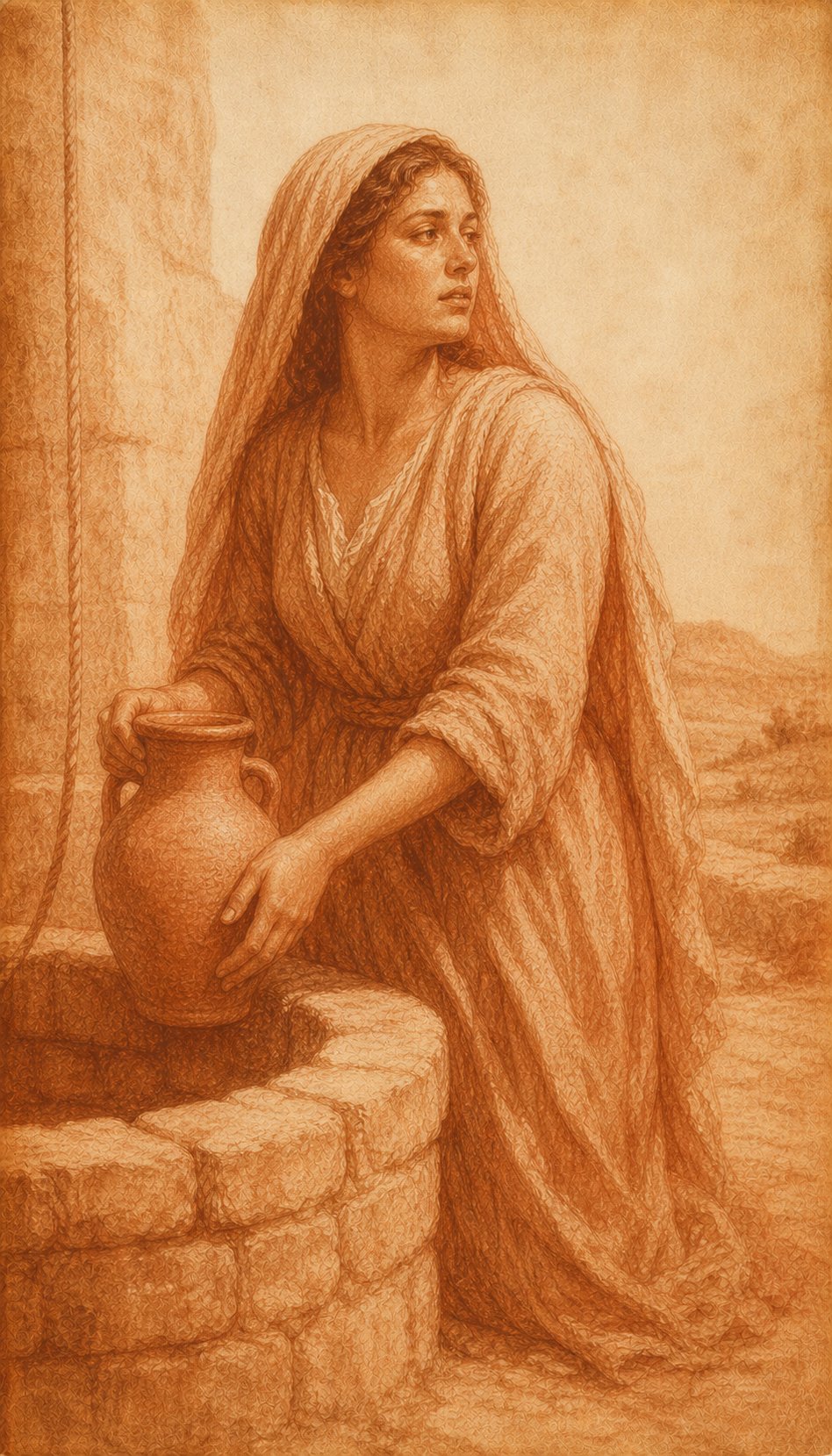
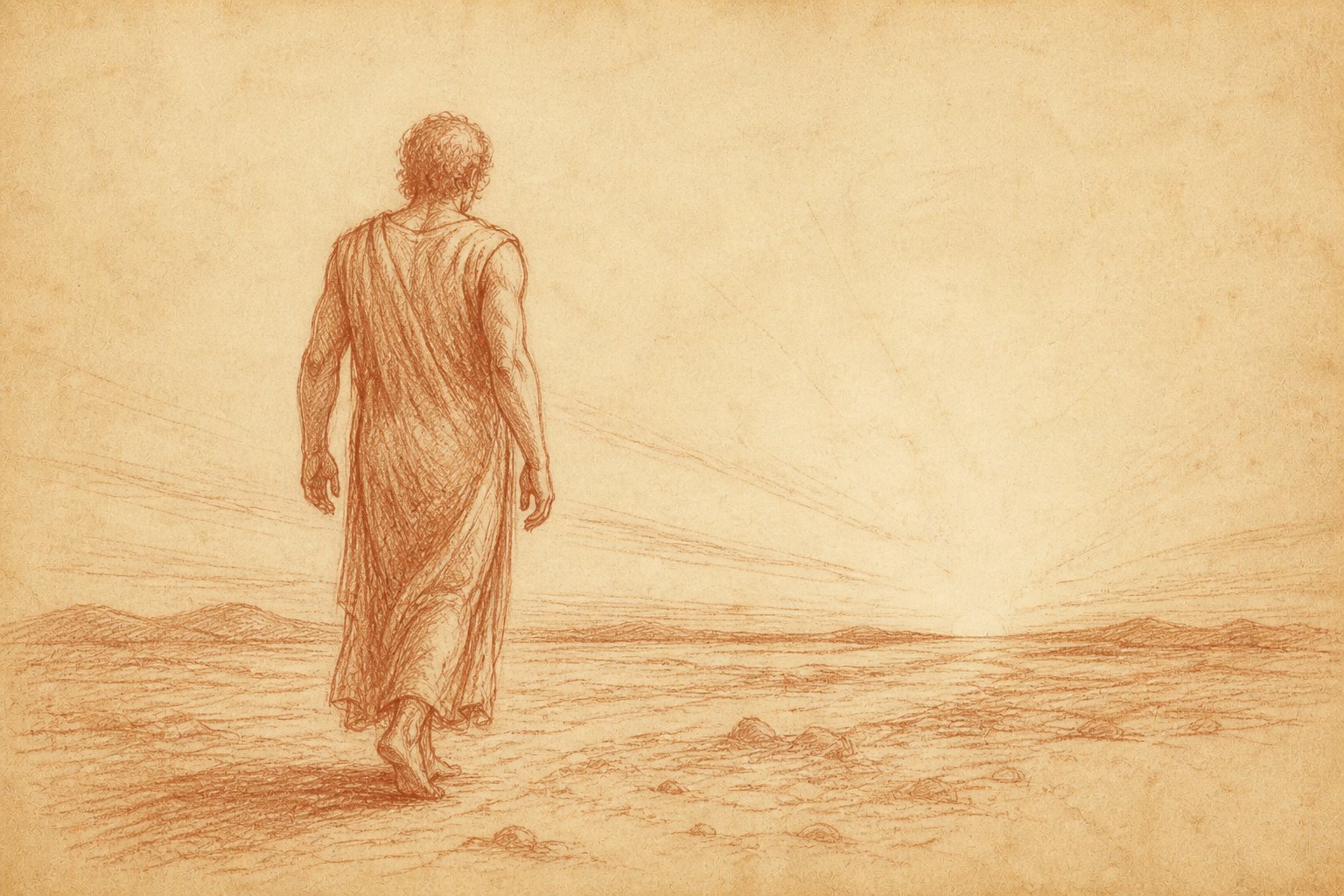
Mary's song — sung before the world knew anything was happening. The threshold of Advent begins not with announcement but with recognition. What is already here? What has God been doing while you were busy?
The retreat ends. The silence doesn't have to. These resources are for the days and weeks between — to keep the practice alive, the roots going deeper, and the ear open to the still small voice.
One passage. Read slowly. Read again. Sit with it. This is not commentary. It is invitation. Let the Word be the living voice it claims to be.
The day before this verse, Jesus had healed many people — the synagogue, Simon's mother-in-law, the whole town at the door. His most productive day. And the morning after — before anyone else was awake — He withdrew. Not because He had nothing to do. Because He had everything to do.
Read the verse once more. Notice the words: very early. While it was still dark. Left. Went off. Every word is intentional. This was not accidental solitude. This was deliberate withdrawal into the presence of the Father.
Each retreat is anchored in one passage. Read them as a sequence — the arc of a year of formation. Read them one at a time — a single Scripture, given for a season.
Mary's song — sung before the world knew anything was happening. The threshold of Advent begins not with announcement but with recognition. What is already here? What has God been doing while you were busy?
After the shepherds left, Mary did not move on. She held what had been given. Pondered — turned it over, weighed it, let it become part of her. The work of Christmas is not consumption. It is treasuring.
Not a five-year plan. Three small verbs: do justice, love mercy, walk humbly. The new year does not need a strategy. It needs a posture. What is being asked of you?
Holy Saturday. The women who had followed Jesus watched the tomb, prepared spices — and then rested, according to the commandment. The day between death and resurrection has its own obedience. Some seasons ask only for waiting.
Two disciples on the road to Emmaus, walking and grieving. They did not recognise Him until afterwards — but their hearts had been burning the whole walk. The long walk is the curriculum. God speaks while you are still walking.
The Transfiguration. The disciples wanted to stay on the mountain. God told them only one thing — listen. Then they came down changed. The mountain is not the destination. The listening is. And what you carry down with you is the work.
We read not to fill our minds — but to be formed by what we encounter. A note from the librarian
Organised by gate — read what speaks to your season. These are not required. They are companions for the journey. Start with one. Read slowly.
Arranging your life for spiritual transformation. The foundational book for anyone serious about formation.
Gate IFollowing Jesus' rhythms of work and rest. The pace of grace made practical.
Gate IHow to stay emotionally healthy and spiritually alive in the chaos of the modern world.
Gate IThe classic on spiritual disciplines — the path to spiritual growth through ancient practices.
Gate IExperiencing God's transforming presence. The book most directly aligned with THR's practice.
Gate IDesert spirituality and the spiritual life. Short, powerful, essential.
Gate ISeeking God in the crucible of ministry. For those who give and give and are running empty.
Gate IIThe contemplative-active way of leading. Leading from rest rather than anxiety.
Gate IIHonest about the cost of emotional avoidance. A revolution of compassion through the church.
Gate IILewis's raw journal of grief after losing his wife. One of the most honest books ever written about pain and God.
Gate IIIThe classic on spiritual desolation — when God feels absent. Ancient wisdom for modern suffering.
Gate IIIPastoral, theological and personal. A companion for those in the ash heap.
Gate IIIA meditation on Rembrandt's painting. Every page is an invitation to receive the Father's embrace.
Gate IVThe cry of the heart for intimate belonging. For those who struggle to believe they are truly loved.
Gate IVGood news for the bedraggled, beat-up and burnt out. Grace that reaches into the far country.
Gate IVThese are not techniques. They are postures — ways of making yourself available to God. They have been practised by Christians for two thousand years. They work not because of your effort, but because God is faithful.
Reading Scripture slowly — not for information, but for encounter. The Word is treated as a living voice that speaks personally in this moment.
A prayerful review of your day — looking for where God was present and where you resisted. Practised by Ignatius of Loyola since the sixteenth century.
A short prayer tied to the rhythm of breathing — practised throughout the day to cultivate continuous awareness of God's presence.
A method of silent prayer that prepares us to receive the gift of God's presence. Not emptying the mind — but opening the will to God.
The practice of bringing your honest pain, anger and grief directly to God — modelled by the Psalms of lament and by Job. God can handle the truth.
Reading spiritual books slowly — stopping when something strikes you, sitting with it before moving on. Reading for formation, not information.
Music for the silence is not background noise. It is atmosphere — creating space for the soul to settle.
These tracks are chosen to support the practice of silence — not to distract from it. Use them for the transition into silence, or as a gentle companion when silence feels too loud.
Each entry is a long-form playlist or album — press play and let it run. Music is a door, not a destination — when silence feels ready, let the music fade.
When silence is too new, sometimes the right companion is a voice that has walked further down this road. These three podcasts are worth slow listening — one episode at a time, with space to ponder.
Thirty-minute Bible-based guided meditations. One Scripture, extended quiet time, a single theme each week. The closest thing to a guided retreat you can carry in your pocket.
Long-form conversations on attachment, healing, and the inner life. Where psychology meets the contemplative tradition — for souls weary of pretending to be fine.
Sabbath, the Examen, discernment, the slow work of formation — gently spoken, with rich poetry and music breaks. The back catalog alone is a year of soul care.
Journalling in the silence is not about producing beautiful writing. It is about externalising what is happening inside so you can see it more clearly. One honest sentence is worth a thousand polished paragraphs. Write badly. Write honestly.