Article I
God the Father
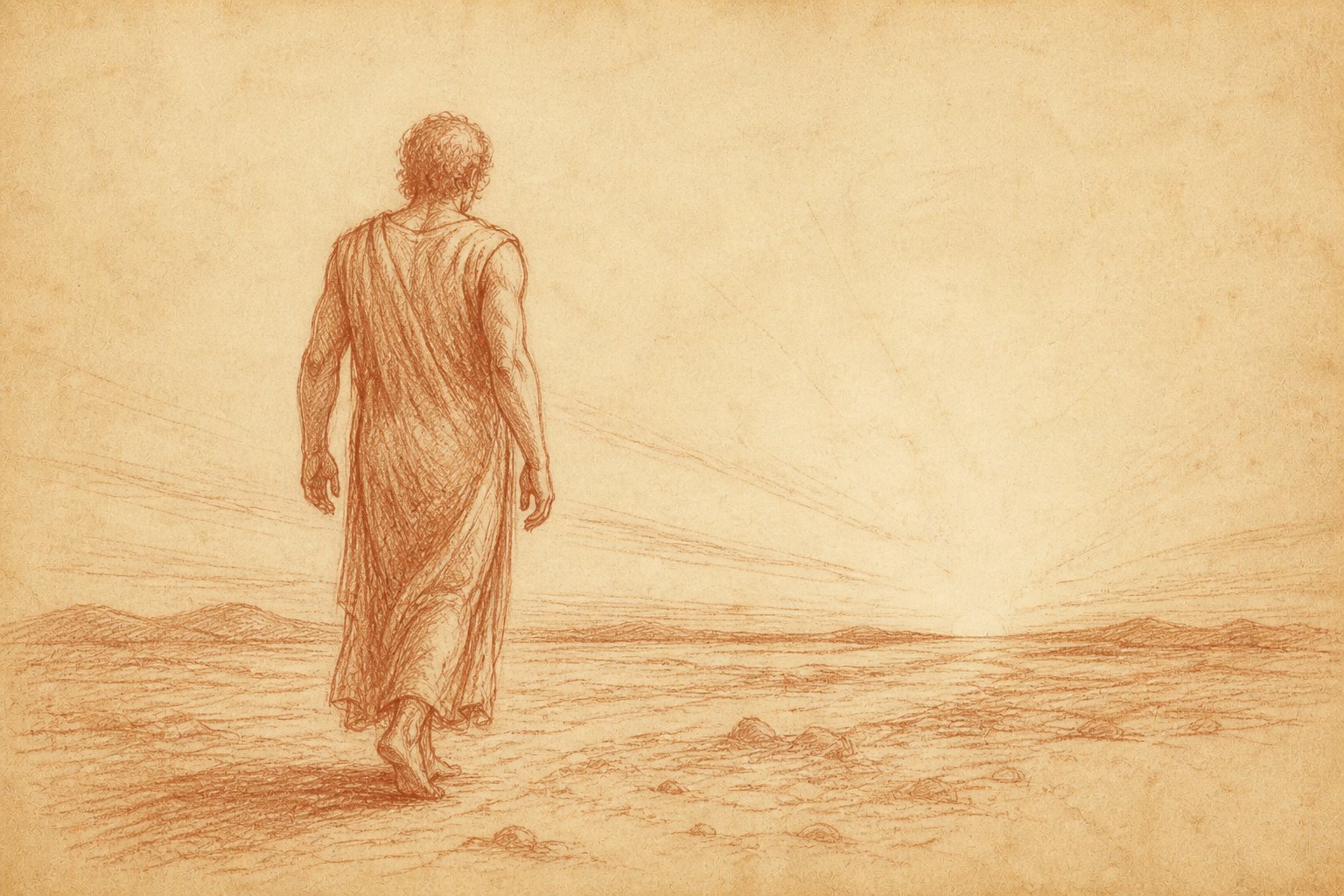
We believe in God the Father — who loves with a love that runs.
Who watches the road for every returning son and daughter.
Who waits — not passively, but actively — for every soul to turn toward home.
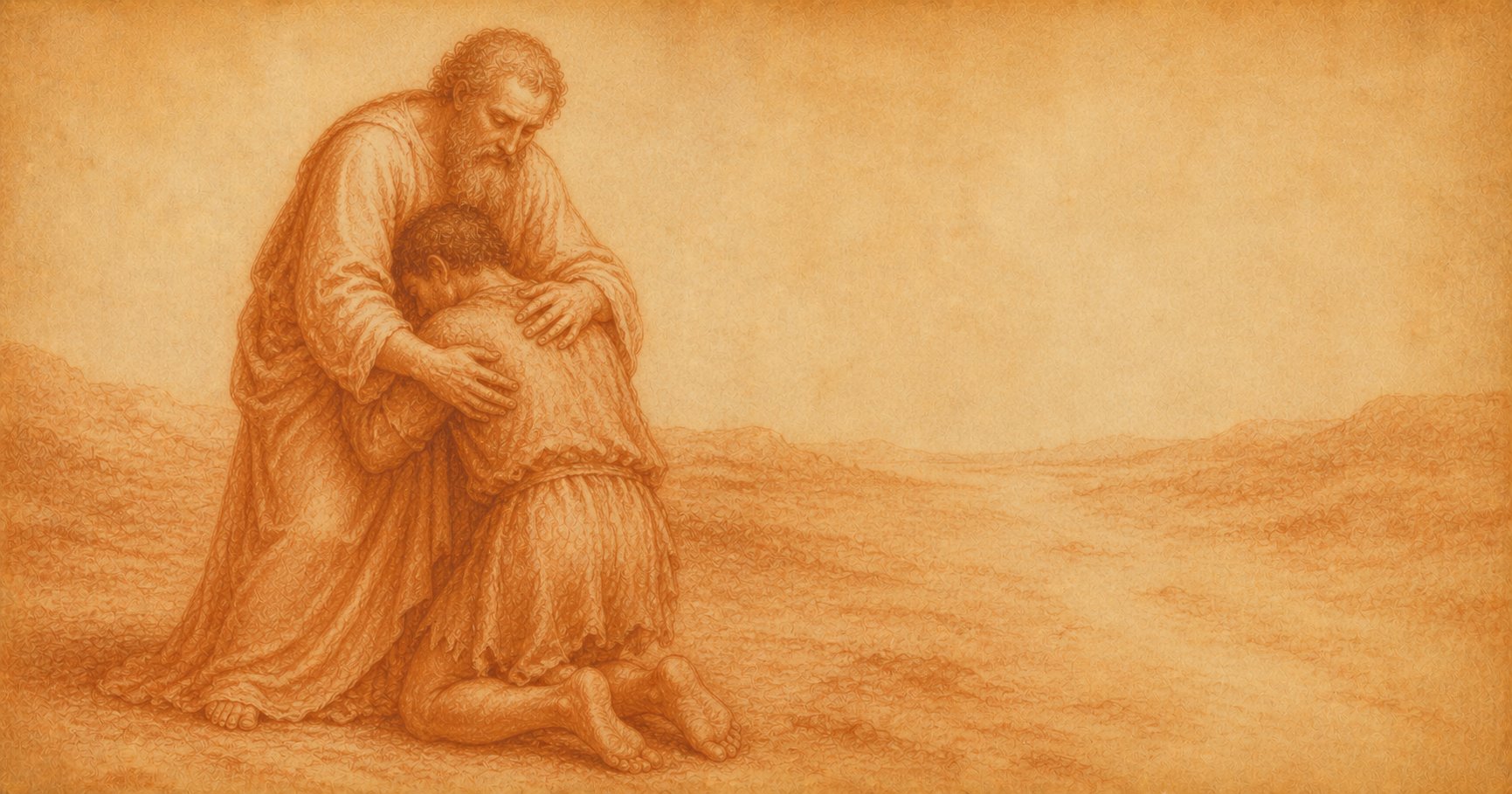
The Prodigal's father is our image of God — running before the son
finishes his speech, restoring dignity before it is asked for.
"While he was still a long way off, his father saw him and was filled with compassion for him; he ran to his son, threw his arms around him and kissed him."
Luke 15:20
"The Lord your God is with you, the Mighty Warrior who saves. He will rejoice over you with singing."
Zephaniah 3:17
Article II
Jesus Christ
We believe in Jesus Christ — fully God, fully human. Born of a virgin.
Crucified for our sin. Risen from the dead. The only way to the Father.
We believe He is our model for the unhurried life — that the Son of God
Himself withdrew regularly to pray, showing us not weakness but wisdom.
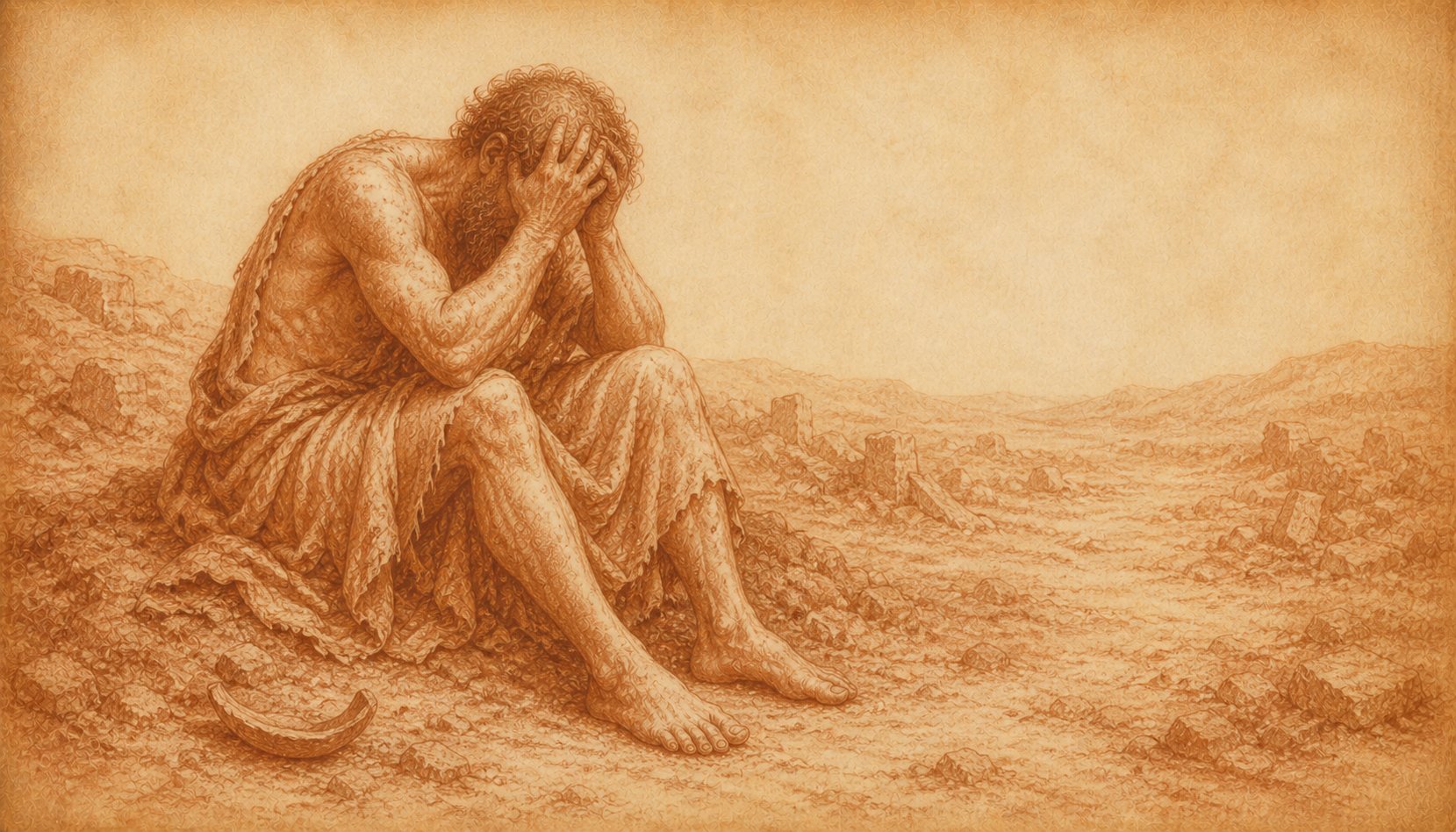
His invitation remains open — to every weary, hungry, broken and returning soul.
"I am the way and the truth and the life. No one comes to the Father except through me."
John 14:6
"Come to me, all you who are weary and burdened, and I will give you rest."
Matthew 11:28
Article III
The Holy Spirit
We believe in the Holy Spirit — the breath of God, the Counsellor, the Guide.
Present at creation. Poured out at Pentecost. Active today.
We do not tell the Spirit how to move. We simply do not close the door.
The same Spirit who fell at Pentecost — rushing wind, tongues of fire —
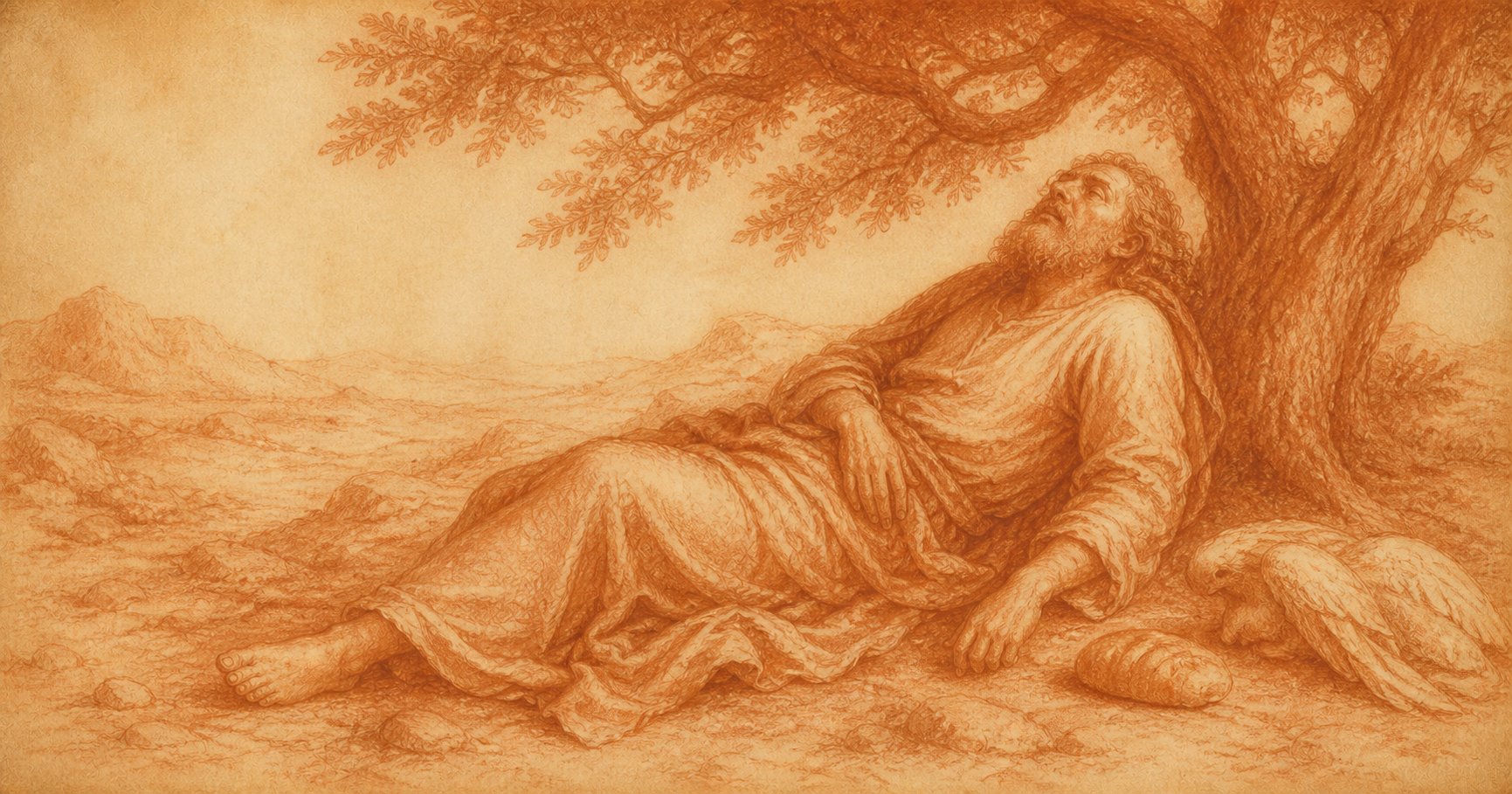
is the still small voice that spoke to Elijah in the cave.
We do not choose between the fire and the silence.
The silence prepares us for the fire. The fire drives us back to the silence.
"But when he, the Spirit of truth, comes, he will guide you into all the truth."
John 16:13
"Do not quench the Spirit."
1 Thessalonians 5:19
Article IV
Scripture
We believe the Bible is the living, breathing Word of God —
active, sharper than any double-edged sword, able to penetrate
to the very soul. Every practice at THR is anchored in Scripture.
We do not come to the silence to empty our minds.
We come to fill them with Christ — to let His Word dwell in us richly.
"For the word of God is alive and active. Sharper than any double-edged sword."
Hebrews 4:12
"Let the message of Christ dwell among you richly."
Colossians 3:16
Article V
Salvation
We believe in salvation by grace through faith — not by works,
not by spiritual performance, not by how well you sit in silence.
The Hush Room is not a place to earn God's favour.
It is a place to receive what He has already freely given.
You do not come to THR to become worthy.
You come because He already made you so.
"For it is by grace you have been saved, through faith — and this is not from yourselves, it is the gift of God."
Ephesians 2:8-9
Article VI
The Church
We believe in the Church — one Body, many traditions, one Lord.
We are not affiliated with any single denomination.
We are not a replacement for your local church.
We are a room within the Body of Christ —
where all who confess Jesus as Lord are genuinely welcome.
Catholic or Protestant. Charismatic or liturgical.
Anglican, Baptist, Pentecostal, non-denominational.
If Jesus is your Lord — you are home here.
"There is one body and one Spirit... one Lord, one faith, one baptism; one God and Father of all."
Ephesians 4:4-6
Article VII
Spiritual Formation
We believe in the ongoing spiritual formation of every person —
at every age, in every season of life. God is always forming.
We are always being formed. The silence is where we cooperate
with that work — not by striving, but by surrendering.
In Childhood — wonder. In Primehood — becoming.
In Adulthood — deepening. In Elderhood — legacy.
"He who began a good work in you will carry it on to completion until the day of Christ Jesus."
Philippians 1:6
Article VIII
Silence & Solitude
We believe in the practice of silence and solitude —
not as an end in itself, not as Eastern meditation or mindfulness,
not as emptiness — but as attentiveness to the living God.
Our silence is not empty. It is full of the presence of Father, Son and Spirit.
We cannot hear the whisper in a rush.
That is why we built this room.
"Be still, and know that I am God."
Psalm 46:10
"And after the fire came a gentle whisper."
1 Kings 19:12
Article IX
Youth & Children
We believe Jesus meant it when He said let the children come.
We take Him at His word. The silence is not only for the spiritually mature —
not only for the middle-aged or those who have already arrived.
It is for the 16-year-old who is searching. The 24-year-old
who is burning out. The kingdom belongs to such as these.
All of them. Always.
"Let the little children come to me, and do not hinder them, for the kingdom of God belongs to such as these."
Mark 10:14
"Remember your Creator in the days of your youth."
Ecclesiastes 12:1